


AboutNewsContact

Charleston County enjoys a reputation as a premier pro-business location.

Interested in learning more about available incentives for a qualified project?

Not sure where to start? We’ll help you understand what’s available across Charleston County and the state of South Carolina.

Explore Charleston County Business Incentive Options

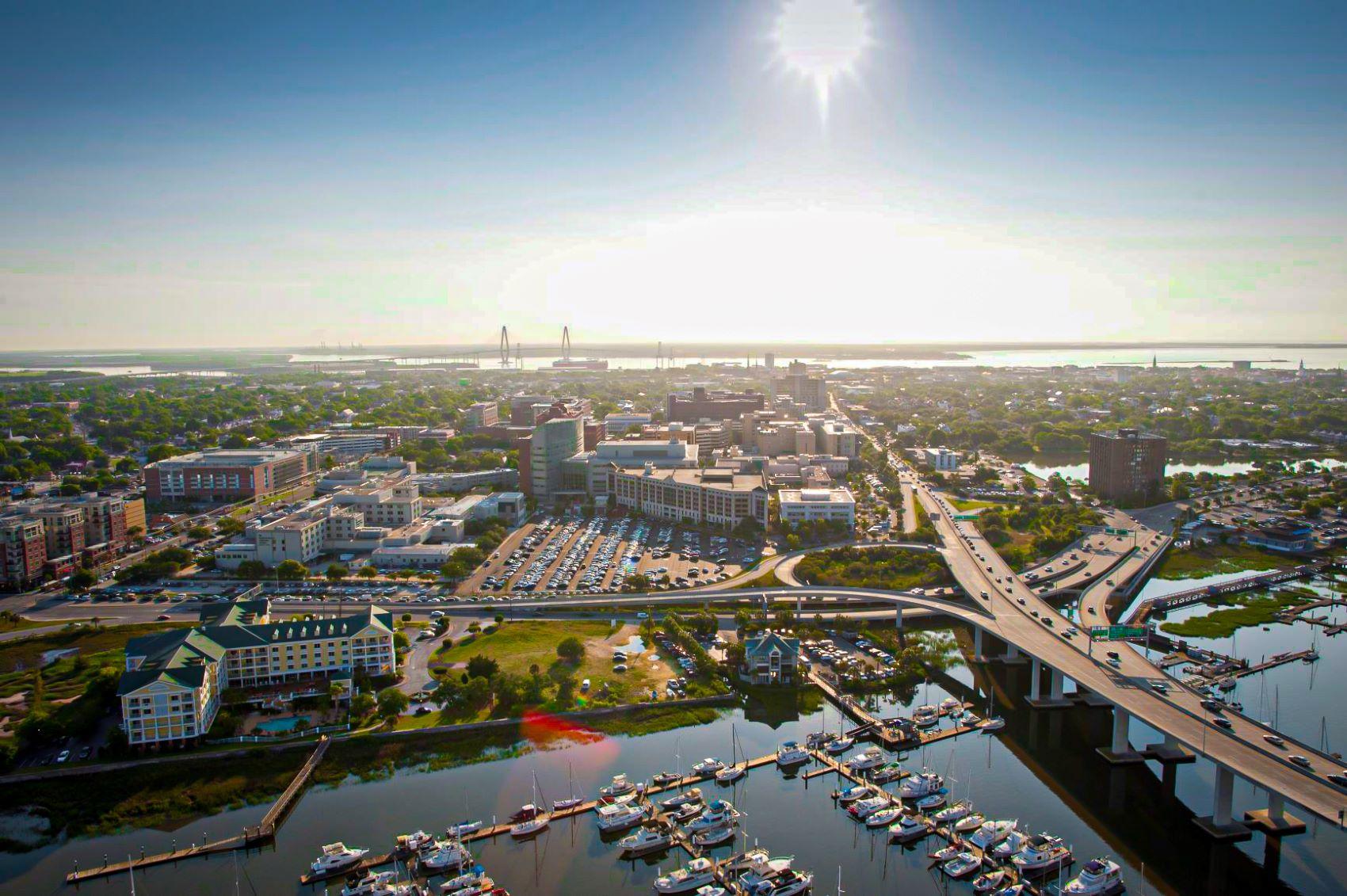
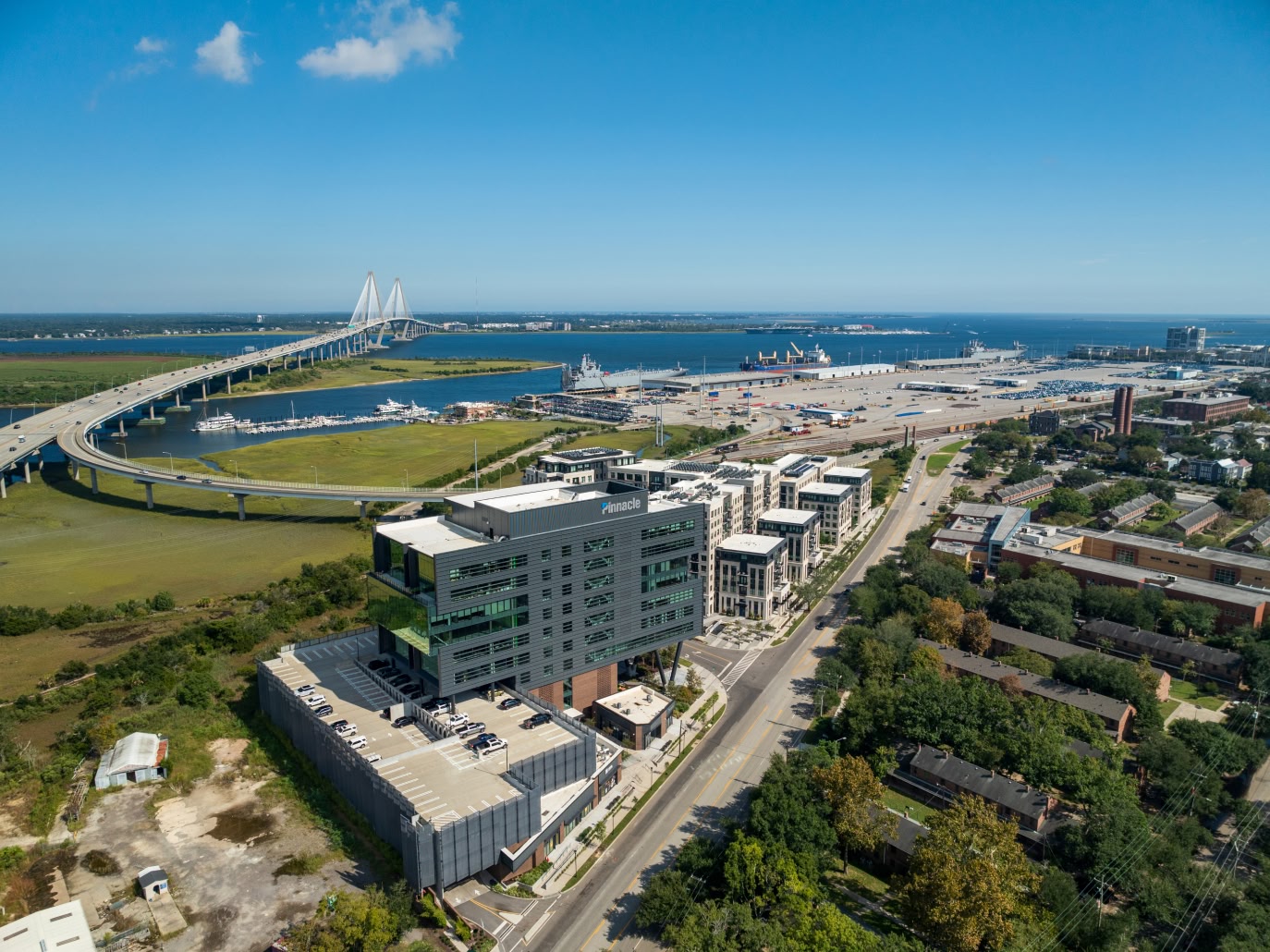
Aerial view of a coastal cityscape showing modern buildings, a prominent curved bridge, and a busy port.

Statutory Incentives

Some financial incentives available within South Carolina are statutory and are claimed directly by your company when you file your state corporate income taxes, including five-year property tax abatement, sales tax exemptions, job tax credits, corporate headquarters credit, and research & development credit.

Discretionary Incentives

Other financial incentives are negotiated with Charleston County and the state of South Carolina. They are typically dependent upon the capital investment, hiring, and payroll involved in a new project or expansion. Eligible businesses might qualify for Fee-in-lieu of taxes (FILOT) or Job Development Credits.

Grants

Grants to introduce, upgrade, or extend roads, water, and sewer service, or to underwrite site development costs, can be made available on substantial relocation or expansion projects. Set-aside grants are awarded by the South Carolina Coordinating Council for Economic Development. These grants are discretionary and are attached to economic development projects that may be used for public infrastructure, site clearing, and other project-related purposes.

Opportunity Zones

The federal Opportunity Zone program incentivizes investment in designated, economically distressed communities by allowing investors to defer and potentially reduce capital gains taxes temporarily. To qualify for benefits, realized capital gains must be reinvested in a Qualified Opportunity Fund (QOF), which invests in these zones. Key benefits include the temporary deferral of capital gains tax until 2026 and the permanent exclusion of capital gains from the QOF investment if held for 10 years. Charleston County has eight designated Opportunity Zones strategically located in the “Neck” and “Peninsula” areas of Charleston and North Charleston, as well as in the western border communities.

Four men stand in a sunlit industrial workshop, observing a project intently. The atmosphere is focused and collaborative, with tools visible on a table.

Gap financing from the Berkeley – Charleston – Dorchester Council of Governments’ Revolving Loan Fund

The Revolving Loan Fund (RLF) is a locally controlled, federally initiated and state-backed program primarily focused on job creation and protection in the tri-county area by offering gap financing to businesses for investments like equipment, land, and real estate improvements. Since its inception after Hurricane Hugo, the RLF has loaned $6.3 million to 51 local businesses, resulting in the creation or retention of 2,300 jobs at an efficient cost of only $2,739 per job.

Benefit Your Business
A person in a white t-shirt and black cap uses a red power drill in a workshop. They appear focused, with a blurred industrial background.

Workforce & Training

readySC™

Customized, confidential, and no-cost workforce recruiting and training services, leveraging the state’s technical college system.

Secure A Skilled Team
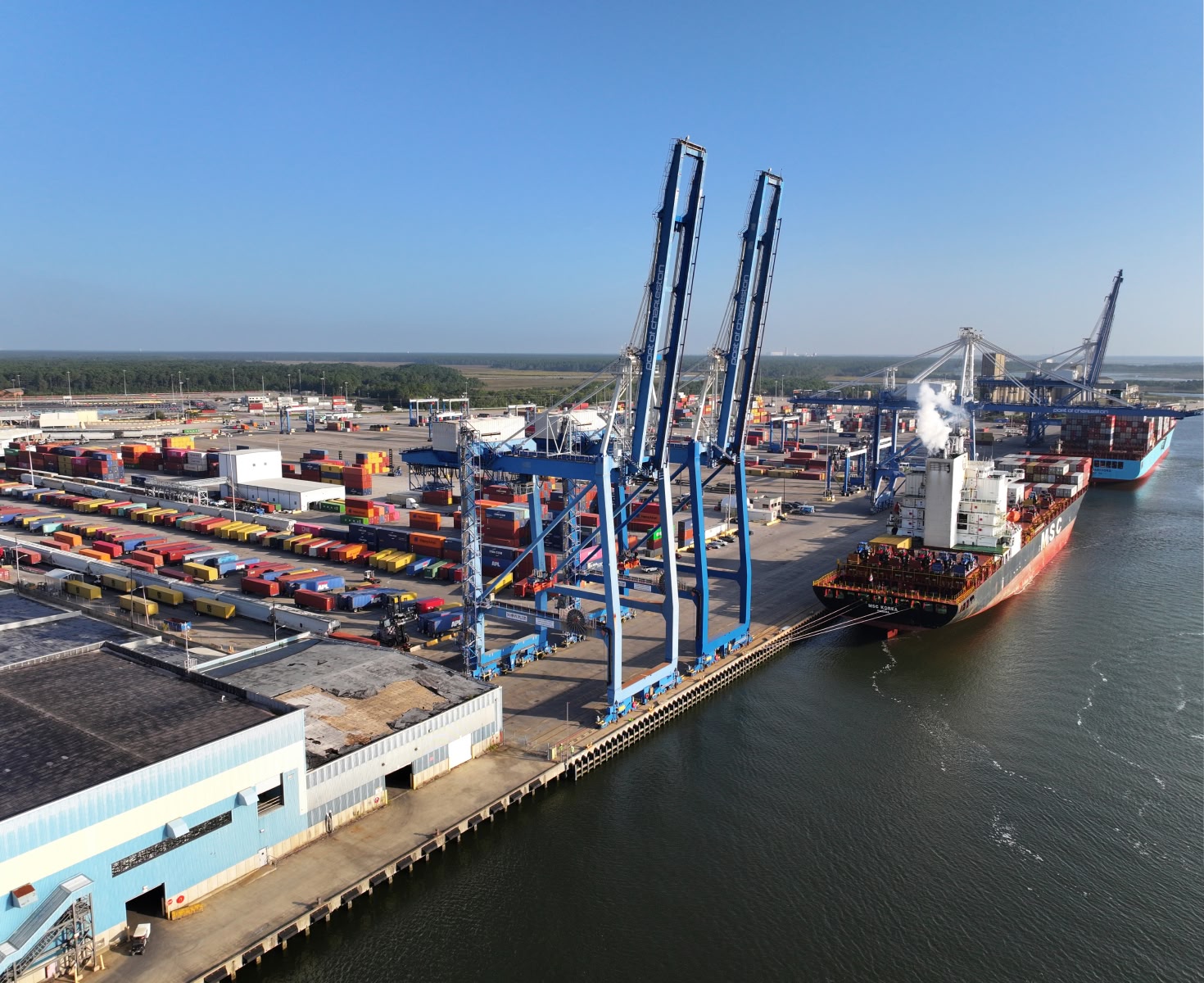
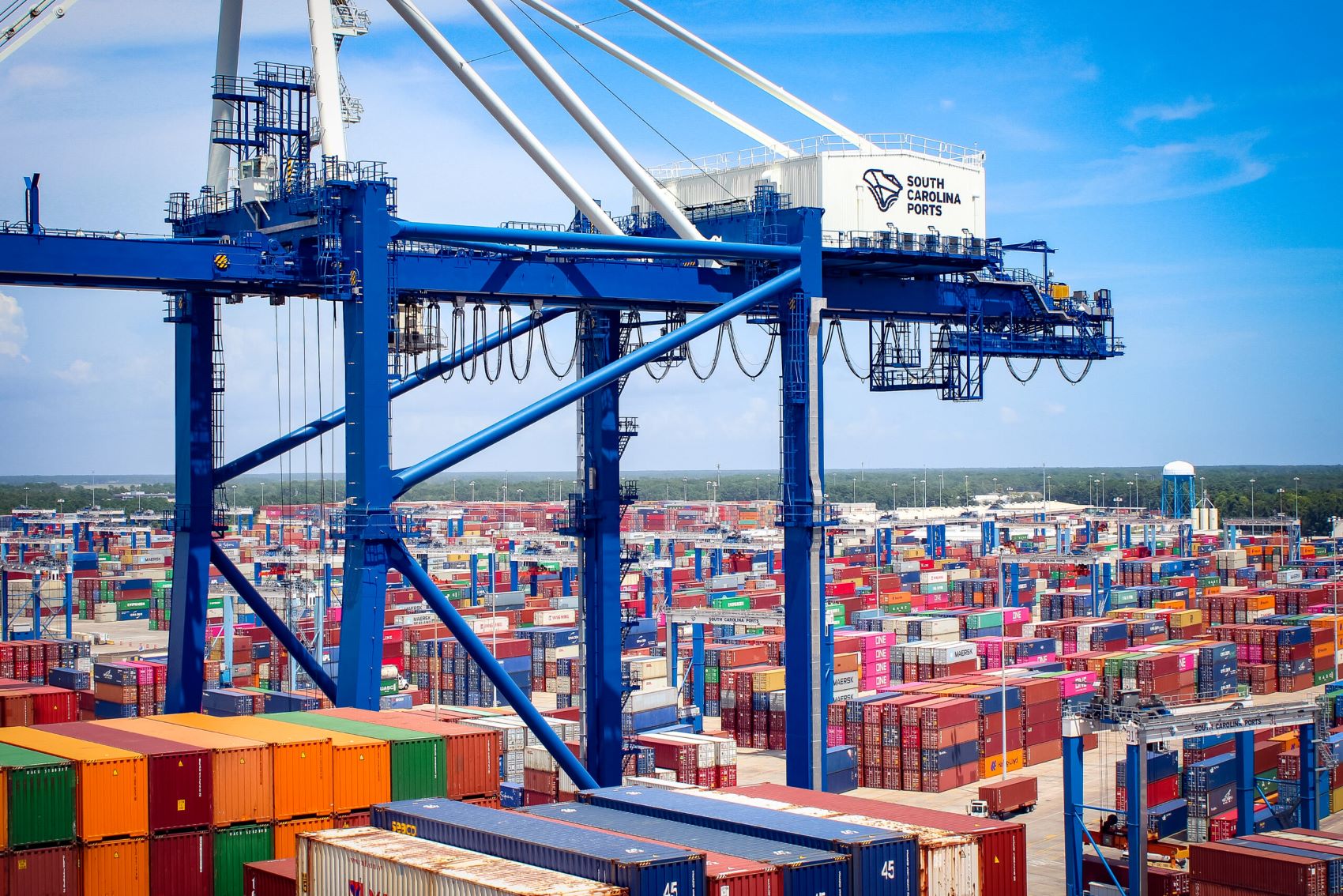
Aerial view of a busy port with docked cargo ships and numerous colorful shipping containers. Tall blue cranes tower over the bustling scene under a clear blue sky.

Foreign Trade Zones (Port of Charleston)

U.S. Foreign-Trade Zones (FTZs) offer domestic importers and exporters a secure platform to enhance their competitiveness in global and domestic markets by allowing them to defer, reduce, or eliminate duties. In South Carolina, the FTZ program, administered by entities like SC Ports under the Alternative Site Framework (ASF), streamlines and expedites the process for businesses to gain FTZ status. The ASF lowers costs and saves time, facilitating rapid entry into the program—30 days for warehousing and 120 days for manufacturing companies.

Explore FTZ Benefits

Resources