Powering Potential: Key Takeaways from the SC Workforce Development Symposium
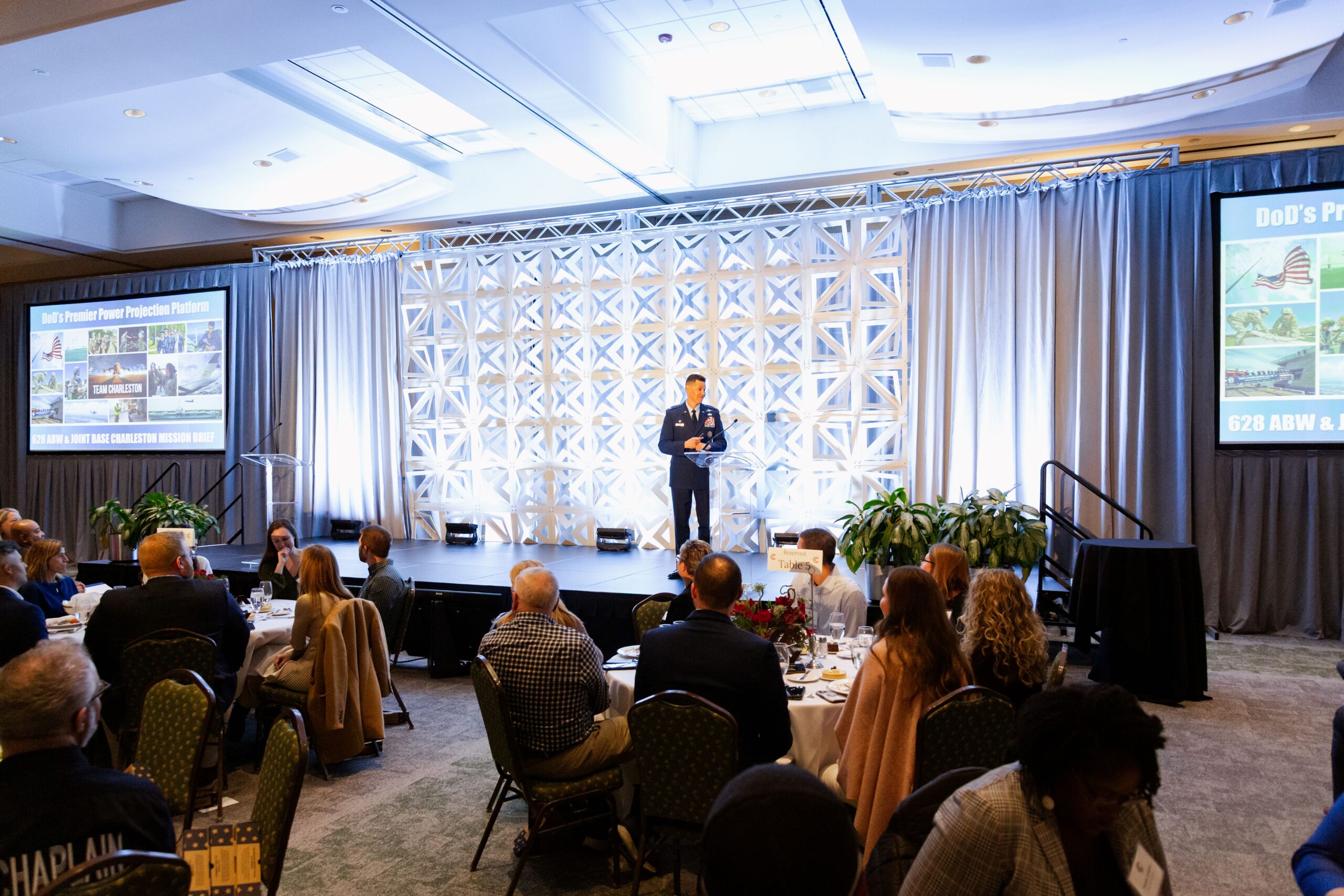
September was Workforce Development Month, and the recent 2025 SC Workforce Development Symposium highlighted a crucial, recurring theme: building a stronger workforce is a collaborative effort. Leaders and innovators across South Carolina agreed that adapting to modern challenges—from evolving skill demands to the childcare crisis—requires collaboration, investment, and a dedicated focus on people.
Here are the key takeaways essential for driving our economic future:
1. Bridging the Skills Gap: Education and Industry Must Partner
The “skills gap” is not solely a lack of technical knowledge; it’s a disconnect between an individual’s potential and a clear career pathway. The resounding message from the Symposium was that bridging this gap is a shared responsibility.
- Nimble Education: Educational institutions must be responsive to the real-time needs of the workforce. The SC Technical College System demonstrated this by creating an inboard motor program specifically to meet local industry demands in Horry County. This model of adjusting curriculum to align with industry needs is the future of talent development.
- Industry Investment: Businesses must invest in their people and see talent development as a continuous process. Bank of America’s approach—focusing on soft skills and offering free community training—underscored the need for companies to provide clear paths for lifelong learning, embrace on-the-job training, and utilize vital tools like apprenticeships and work-based learning. The goal is to create organizations where people feel welcomed and supported, regardless of their background.
2. Supporting Families is Supporting the Workforce: The Childcare Imperative
A fundamental barrier to workforce growth is the childcare crisis. Staggering statistics reveal that South Carolina loses nearly $1 billion annually due to a lack of accessible and affordable childcare, with over $800 million of that cost burdening industries through employee absence and turnover.
While government support, such as DSS scholarships, is vital, sustainable solutions also require corporate innovation. Mercedes-Benz Vans demonstrated a creative solution by offering a $250 monthly stipend to employees with young children to help alleviate the high costs associated with childcare. Addressing childcare is not just a family issue; it is an economic health imperative that requires long-term, inventive solutions from both the public and private sectors.
3. Competing for Talent: Culture and Compensation are King
In the fierce talent competition, compensation remains a critical factor. Lagging wages in South Carolina continue to cause the loss of skilled workers to neighboring states. Regular, equitable compensation studies are now essential to attract and retain high-quality talent.
Beyond the paycheck, however, culture and connection determine retention. The modern employee seeks more than a job; they seek flexibility, wellness, and a sense of belonging. Employers were urged to:
- Be Transparent: Post salary ranges in job descriptions to build trust and prevent great candidates from opting out early.
- Invest in Wellness: Implement financial wellness programs and rethink “mindless touchpoints,” creating space for team connection and personal well-being.
- Conduct “Stay Interviews”: Instead of focusing solely on why people leave, proactively ask top performers what keeps them engaged and motivated. This feedback is invaluable for creating a loyal and resilient workforce.
Charleston County’s Commitment in Action: Workforce Development Job Fair
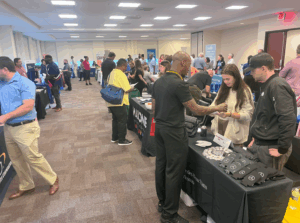
In alignment with the spirit of the Symposium, Charleston County Economic Development and SC Works celebrated Workforce Development Month by hosting a highly successful job fair on Wednesday, September 24th.
The event brought together 34 employers from diverse industries, including healthcare, manufacturing, and logistics, and attracted 185 job seekers. This collaborative space facilitated on-the-spot interviews, directly connecting local talent with meaningful career opportunities.
The job fair underscored Charleston County’s commitment to partnership, opportunity, and fostering economic growth. It serves as a strong reminder that Workforce Development Month is not just a celebration, but an ongoing commitment to building a stronger, more skilled future for our local workforce.